Research
Research Areas
We develop mathematical theories and computational techniques to analyze the quantitative properties of hierarchical, multi-scale biological data. Our work spans from fundamental studies to practical applications, with the goal of enabling interdisciplinary biological research. Below, we outline our primary research themes.
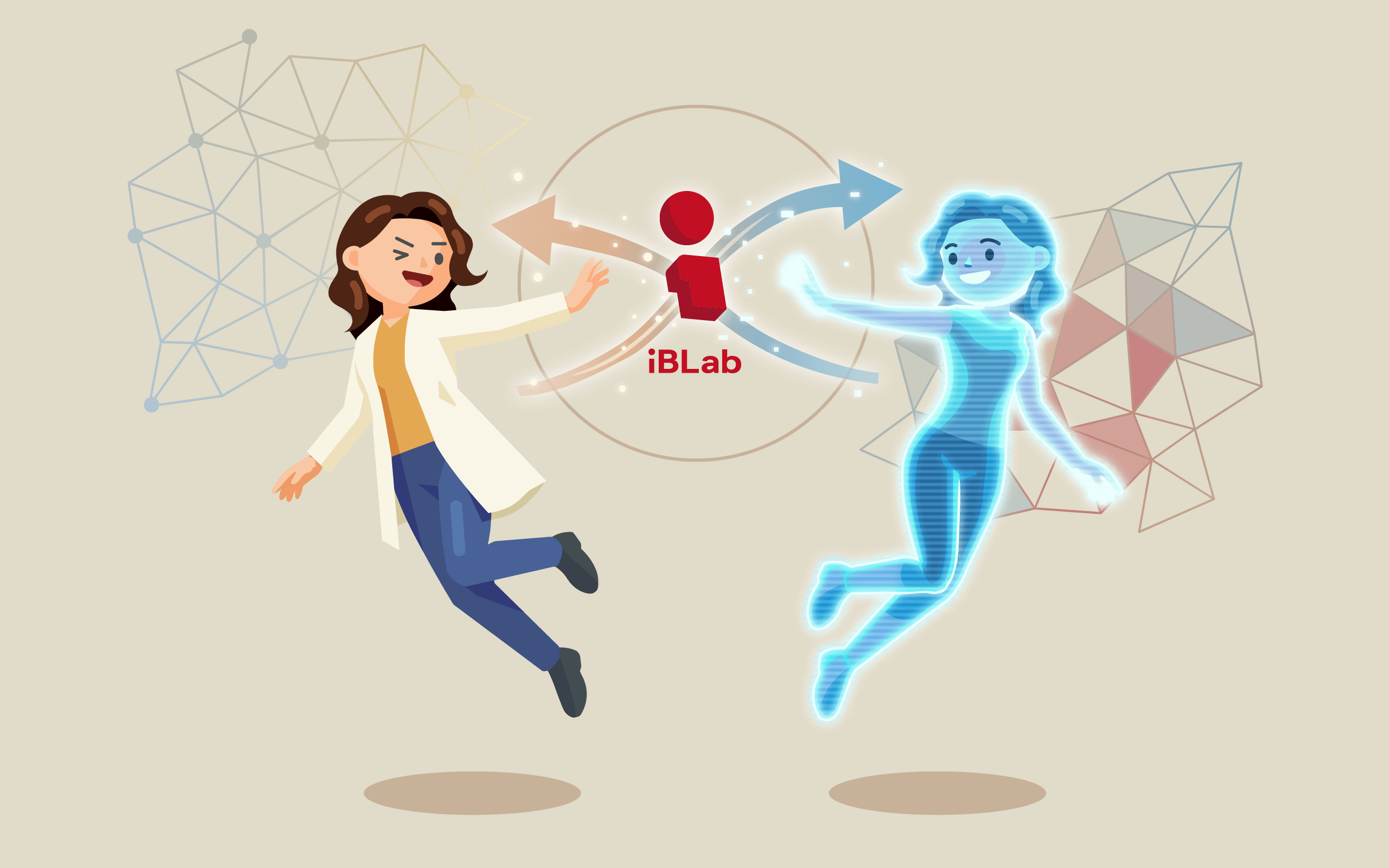
Biomedical science research utilizing digital twin technology
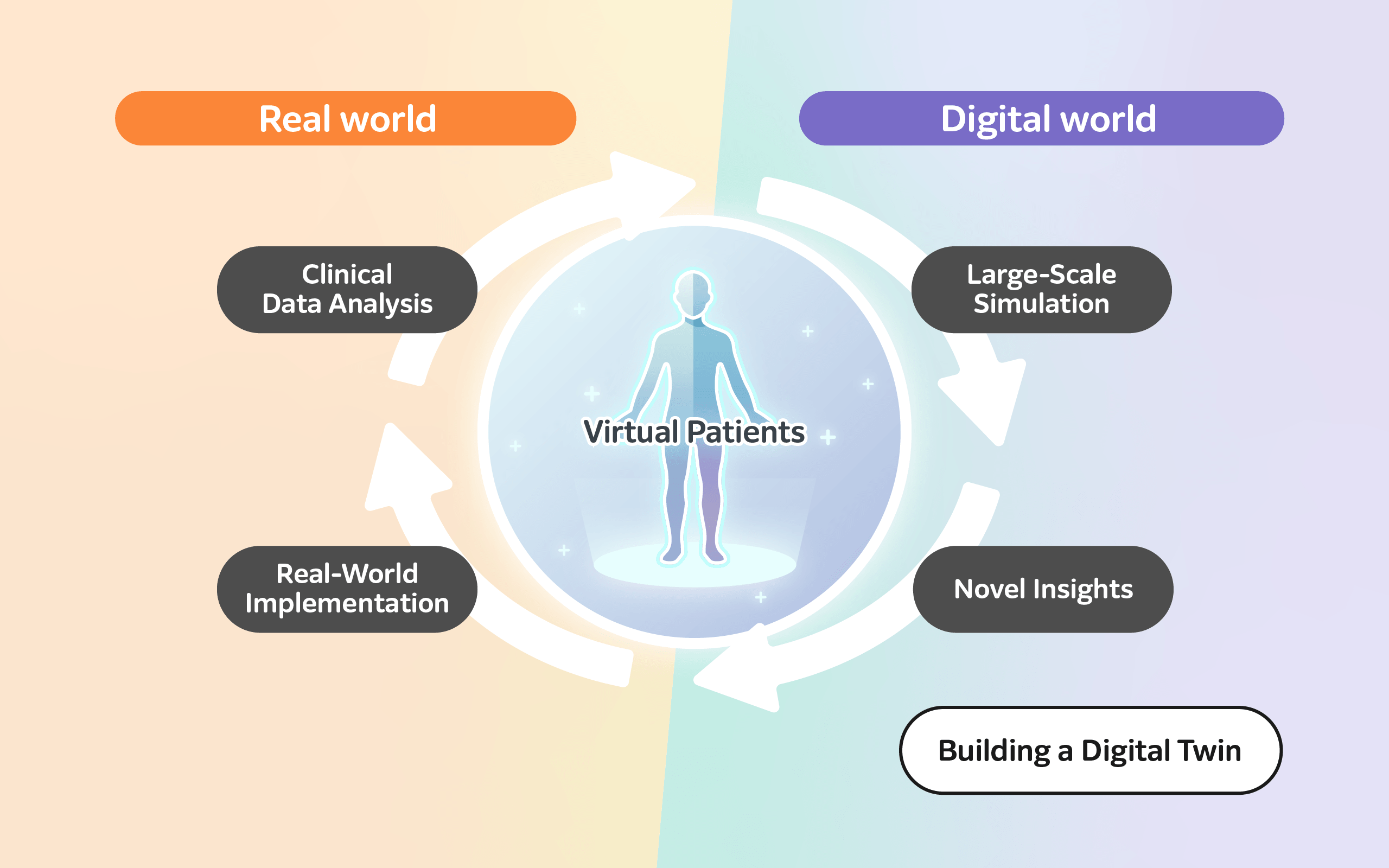
We analyze clinical data using model-driven approaches to estimate parameter distributions that characterize real-world patient populations. Using mathematical models and artificial intelligence (AI), we generate simulation data, referred to as virtual patients, whose statistical properties are consistent with those observed in real-world patient populations. Applying data-driven approaches to these simulated datasets allows us to uncover insights that are difficult to obtain through conventional statistical analysis, including patient stratification for treatment optimization and prediction of disease progression. By additionally generating virtual patients under simulated treatment effects and interventions, we can design and evaluate detailed clinical trial scenarios, streamlining and accelerating the drug development process. Through these approaches, we are building a foundation to support the advancement of personalized and precision medicine.
Developing effective treatment strategies and optimizing infectious disease countermeasures require substantial time, funding, and effort in clinical trials and cohort studies. By utilizing digital twin technology, we integrate mathematical models, simulations, and AI to replicate real-world patient data. Within this digital environment, we can evaluate comprehensive intervention scenarios that would be difficult to implement under real-world conditions, as well as assess diagnostic procedures for detecting pathogens or diseases. Simulations also allow for the prediction of responses across different patient groups, facilitating the early identification of effective treatment strategies.
By integrating hierarchical data from experimental and clinical research, digital twin technology enables the identification of ineffective treatments or candidate drugs before advancing to clinical trials, thereby accelerating development through optimized trial design. We also evaluate infectious disease countermeasures by modeling disease progression at the individual level, providing scientifically grounded insights to government agencies and supporting the development of clinical response guidelines and protocols in collaboration with healthcare professionals. By addressing urgent societal challenges such as infectious diseases, we aim to drive a paradigm shift toward predictive, precise, and personalized medicine through mathematical sciences.
Patient stratification and biomarker discovery research

By retrospectively analyzing clinical data across various diseases, AI can predict and stratify disease progression patterns at the individual level as well as identify biomarkers associated with these stratified groups. Furthermore, by utilizing non-invasive clinical data collected longitudinally from disease onset, the integration of mathematical modeling and AI enables the prediction of disease progression patterns at the earliest possible stage.
In many diseases, the degree of progression varies not only between patients but also within the same patient due to factors such as comorbidities and treatment effects. Ideally, therapeutic interventions are personalized, as treatment strategies based on population averages may have limited efficacy. Advances in genomic science have accelerated the development of precision medicine, in which patients are stratified into subgroups based on biomarkers or genetic diagnostics to receive optimized treatments. However, significant challenges remain—stratification criteria are often unclear and capturing the dynamic nature of disease progression remains particularly difficult. Addressing these challenges requires a deeper understanding of underlying mechanisms, together with accurate stratification and predictive modeling to guide personalized treatment.
In collaboration with various medical institutions, we apply AI-based approaches for data-driven patient stratification. This approach integrates diverse datasets linked to clinical outcomes, including blood tests, biochemical profiles, cytokine measurements, medical history, lifestyle habits, treatment records, brain MRI data, medical imaging, and survey responses, to identify patient groups with distinct disease progression patterns.
We also employ explainable AI to determine the clinical features that characterize each patient group, enabling the identification of biomarkers and development of clinical scoring systems. Furthermore, by developing mathematical models to describe the temporal changes in these identified biomarkers and combining these models with AI-based methods, we can predict individual prognoses throughout disease progression.
Quantitative evaluation of treatment and vaccine effectiveness
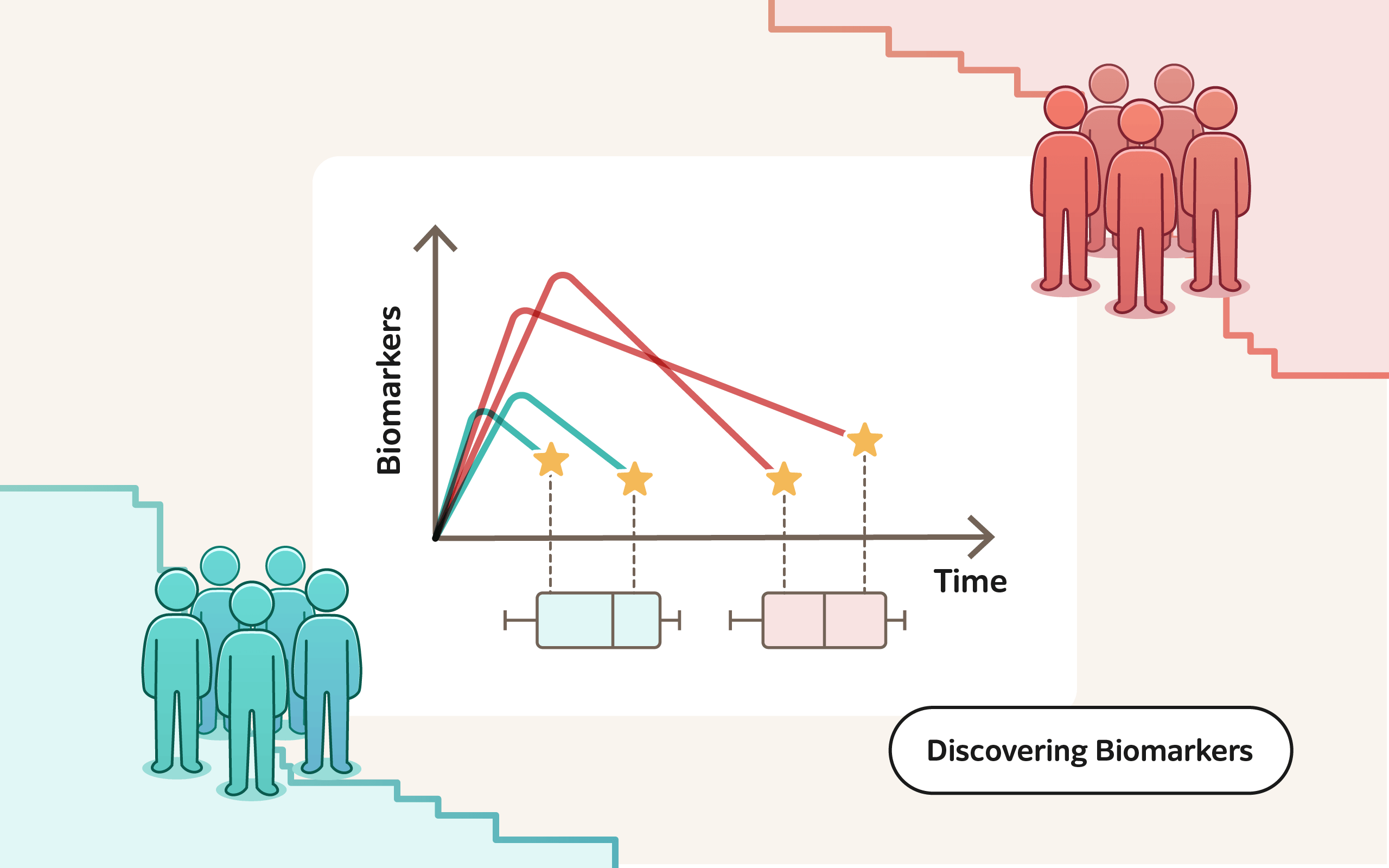
By applying mathematical models, we reconstruct individual-level biomarker trajectories that change in response to therapeutic drugs or vaccination. Applying AI-based techniques to these reconstructed dynamics at the population level enables stratification of temporal patterns across individuals. For each stratified group, events of concern can be thoroughly analyzed and associated risks can be quantitatively compared across groups. By linking these groups with clinical data, we evaluate their defining features, enabling the formulation of optimized treatment and vaccination strategies. Through these analyses, we aim to characterize diverse biomarker dynamics at both individual and population scales, providing a flexible framework applicable to a wide range of clinical contexts.
Therapeutic drugs aim to treat patients by suppressing disease progression or alleviating symptoms. In contrast, vaccines induce immune responses—including humoral and cellular immunity and immune memory—that enhance the body’s ability to prevent and eliminate pathogens. This helps reduce infection, disease onset, and severe outcomes at the individual level, while contributing to infectious disease control at the population level. However, the effects of and responsiveness to therapeutic drugs and vaccines vary, and their appropriate use requires an understanding of factors including biomarker fluctuations and interindividual variability. For instance, with mRNA vaccines for COVID-19, substantial differences have been observed in post-vaccination antibody titers and their persistence over time. These individual differences are influenced by factors such as age, genetic background, medical history, underlying conditions, and prior infection. Moreover, the incidence of breakthrough infection is closely related to immune status following vaccination, highlighting the importance of vaccination strategies that account for temporal changes in immunity. Similarly, significant variability in therapeutic drug responses is frequently reported.
We have developed an approach that integrates mathematical modeling and AI-based techniques for quantitative data analysis while accounting for individual heterogeneity reflected in biomarker profiles. This framework enables data-driven stratification of drug and vaccine effects, incorporating clinical information and background factors to quantitatively evaluate how these effects manifest across groups. Through these efforts, we aim to optimize treatment strategies and develop more effective vaccination approaches, thereby contributing to stronger infectious disease control.
Research on emerging and re-emerging infectious diseases
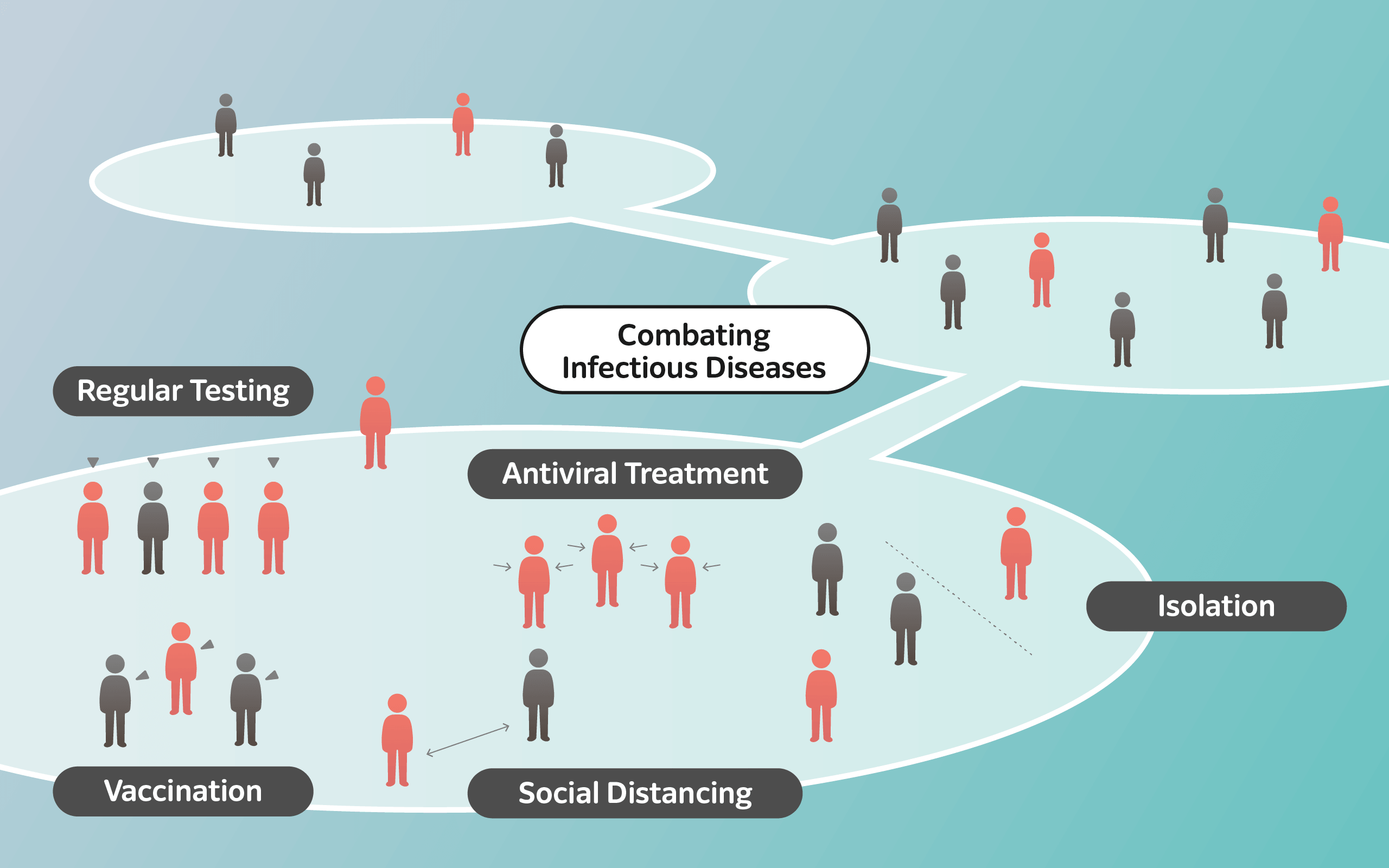
The spread of infectious diseases can be mitigated or controlled through measures such as regular testing and isolation policies. For these measures to be effectively implemented, their impact must be evaluated and predicted in advance based on scientific evidence. This requires approaches such as mathematical modeling of individual-level viral dynamics and simulation frameworks that utilize clinical and experimental data. These approaches enable the quantitative assessment of key issues, including optimal screening strategies for efficient infection detection, appropriate isolation-ending guidelines to reduce secondary transmission risk, and necessary physical distancing measures to limit viral spread.
In recent years, emerging and re-emerging infectious diseases such as COVID-19 and Mpox have caused outbreaks across multiple countries. Highly lethal viral hemorrhagic fevers and zoonotic diseases transmitted through natural hosts or vectors also remain significant global threats. With increasing globalization and international travel, the risk of importing diseases not previously confirmed in Japan continues to rise. Following outbreaks abroad, imported cases may occur during the early phase, potentially leading to domestic transmission. Effective outbreak control requires the early identification and prompt isolation of infected individuals. In Japan, hospitalization and isolation are governed by the Infectious Disease Control Law and the Quarantine Act. However, infection prevention and management should be grounded in scientific evidence—such as epidemiological findings and viral shedding dynamics—to appropriately balance effectiveness and social burden. In addition, preventive measures based on individual behavior, including mask use and physical distancing, remain essential for limiting transmission.
We are developing mathematical models and computational simulation frameworks broadly applicable across infectious diseases, addressing both ongoing and future outbreaks and pandemics. Our work includes quantitative evaluation of control strategies such as screening methods, isolation-ending criteria, and diagnostic test-based surveillance. We also investigate viral adaptation and evolution during outbreaks by integrating simulations with experimental and clinical data. Through scientific approaches grounded in epidemiological and virological evidence, we are engaged in research contributing to the rapid and effective development of infectious disease control measures.
Mathematical pharmacology research
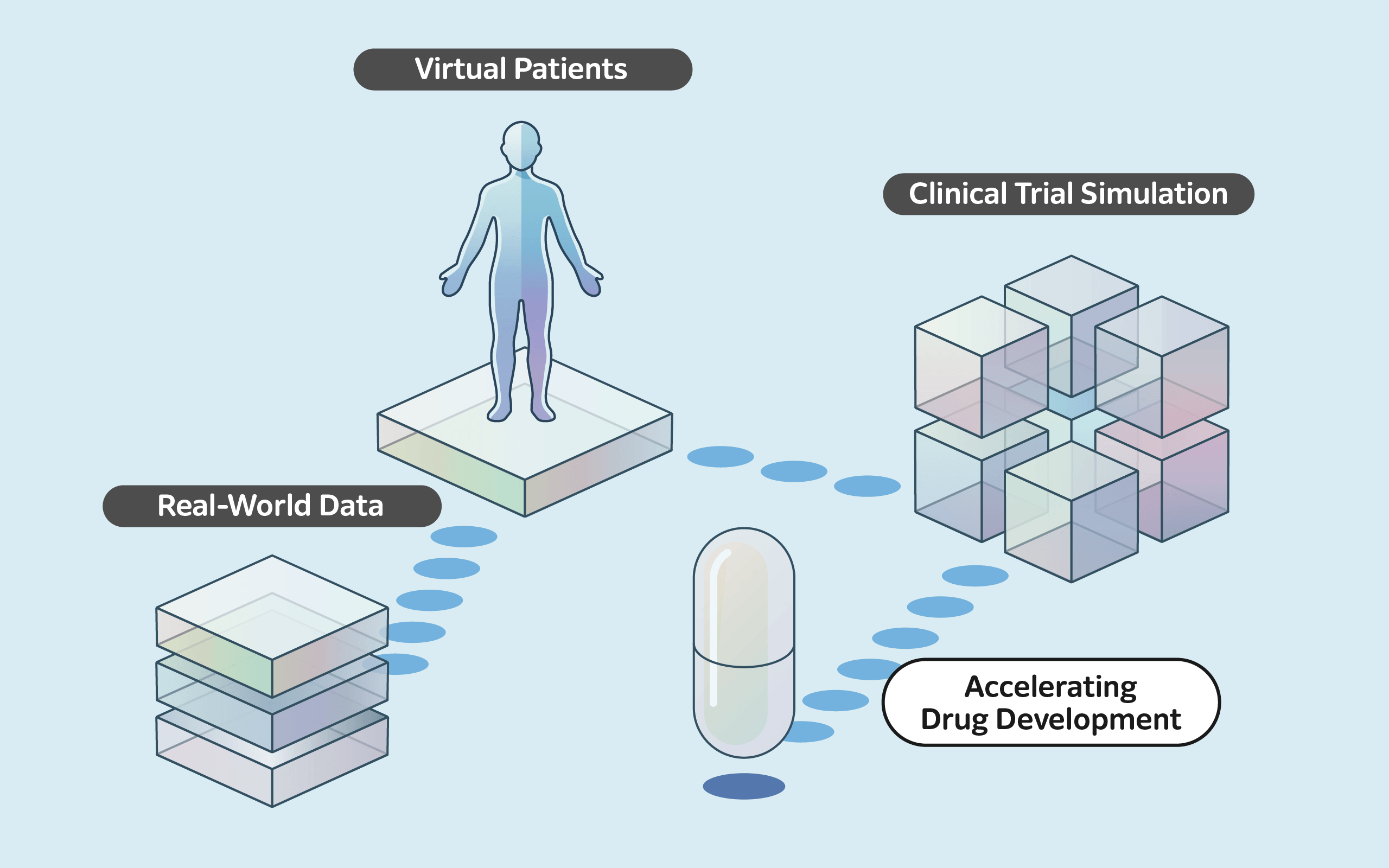
Disease progression and treatment responses vary substantially among individuals, influenced by multiple interacting factors. By employing mathematical models that explicitly describe the dynamics of disease progression, we can simulate clinical trials that capture patient-level variability. In addition to conventional statistical methods, we thoroughly evaluate dosing schedules for candidate drugs and use simulations to predict disease progression under different intervention scenarios. Through this approach, we are developing an in silico randomized controlled trial (isRCT) platform that enables clinical trial evaluation within a virtual environment.
Mathematical modeling and simulations that quantify the relationships among drug exposure, dosage, efficacy, and adverse effects have become essential in drug development and in the appropriate use of medications in clinical practice. This interdisciplinary approach integrates classical pharmacokinetics and pharmacodynamics with biology, pharmacology, biostatistics, and medicine to address practical challenges while advancing theoretical understanding. The rapid evolution of AI, particularly machine learning, has further expanded this field. In drug discovery, emerging research extends beyond traditional modeling and simulation frameworks by integrating cutting-edge mathematical methodologies with AI technologies. One prominent direction focuses on improving the efficiency of drug development. By constructing highly accurate mathematical models that simulate human physiology to generate virtual patients and populations, and by conducting clinical trials in virtual environments, we aim to substantially accelerate the development of new therapeutics.
We conduct research to predict the efficacy and safety of treatments at both the population level and within specific subgroups—such as older adults or individuals with underlying conditions—leveraging real-world clinical data and mechanistic models of drug response. Through quantitative analysis of disease progression, we identify optimal intervention timing and expected therapeutic impact, aligning these insights with clinical trial design. Our goal is to advance interdisciplinary research that elucidates the interconnected and complementary relationships among drug development, disease dynamics, and treatment evaluation.
Viral dynamics research
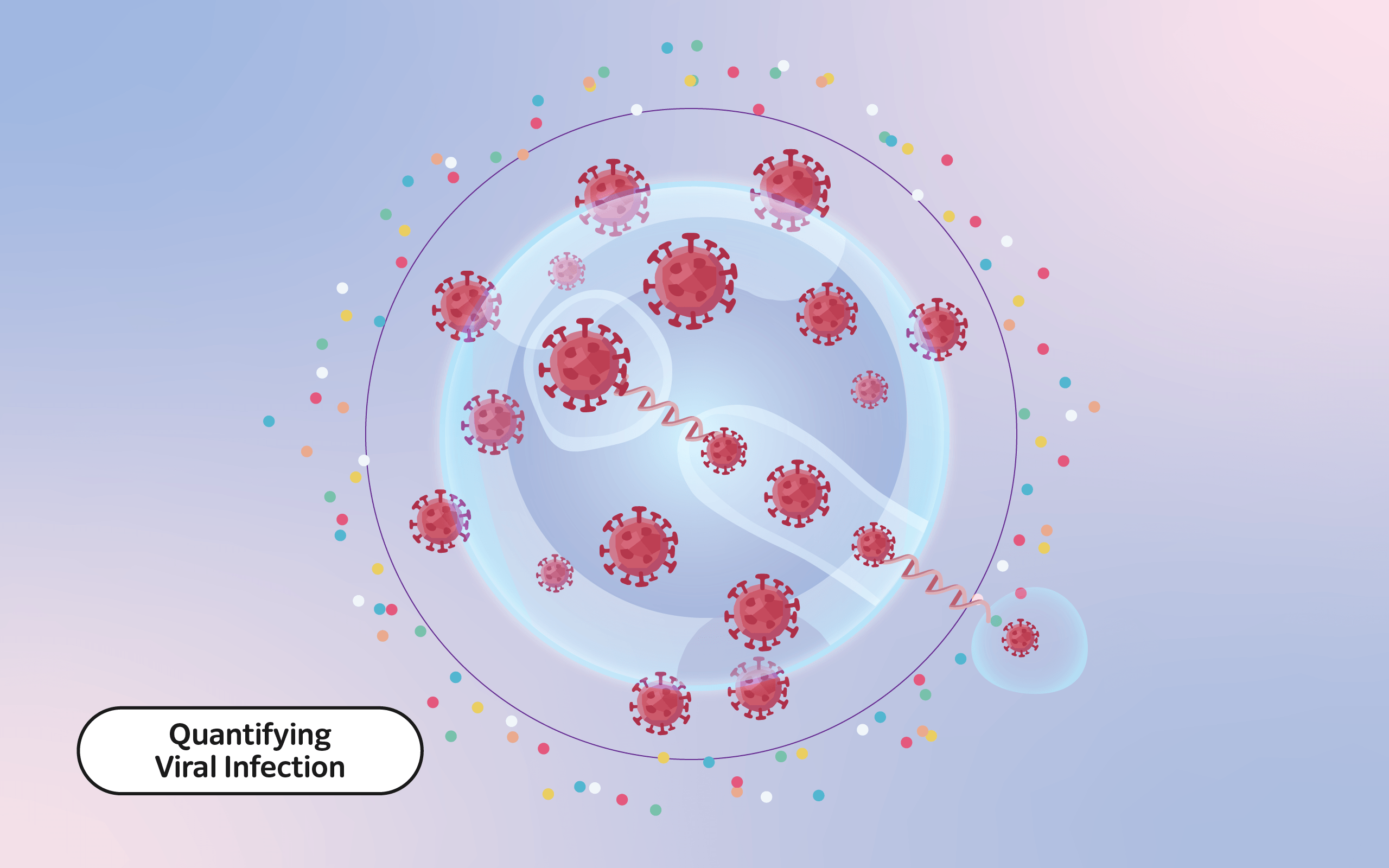
Most viruses begin their life cycle by infecting host cells, where their genetic material—such as RNA or DNA—is replicated and amplified. The replicated genome can either undergo further replication or assemble with viral proteins to form new viral particles, which are subsequently released from the cell. By applying multilevel mathematical models to experimental data such as viral load measurements, cell counts, and protein expression levels, we analyze intracellular infection and replication dynamics, thereby characterizing virus-specific strategies and biological properties.
Viruses lack the ability to acquire nutrients or reproduce independently. To replicate, they must utilize the host cell’s machinery, which is why they are often described as the “simplest form of life.” Despite this apparent simplicity, the dynamics of viral infection are highly complex. Traditional virology—largely based on experimental techniques in cell biology, genetic engineering, and molecular biology—often captures only static snapshots of infection processes. Since the isolation of the human immunodeficiency virus in 1983, the need to understand infection as a dynamic, time-dependent process has led to the emergence of a specialized field: viral dynamics. This field seeks a quantitative understanding of viral infection within hosts and cells by analyzing longitudinal clinical and experimental data using mathematical models, computational simulations, and statistical methods.
Our group collaborates with experimental and clinical teams in the UK, France, Canada, the USA, Australia, Korea, and Japan to analyze diverse viral infections. Based on these quantitative insights, we conduct research aimed at understanding, controlling, and ultimately manipulating viral infections from a biological and mechanistic perspective.
Cancer research
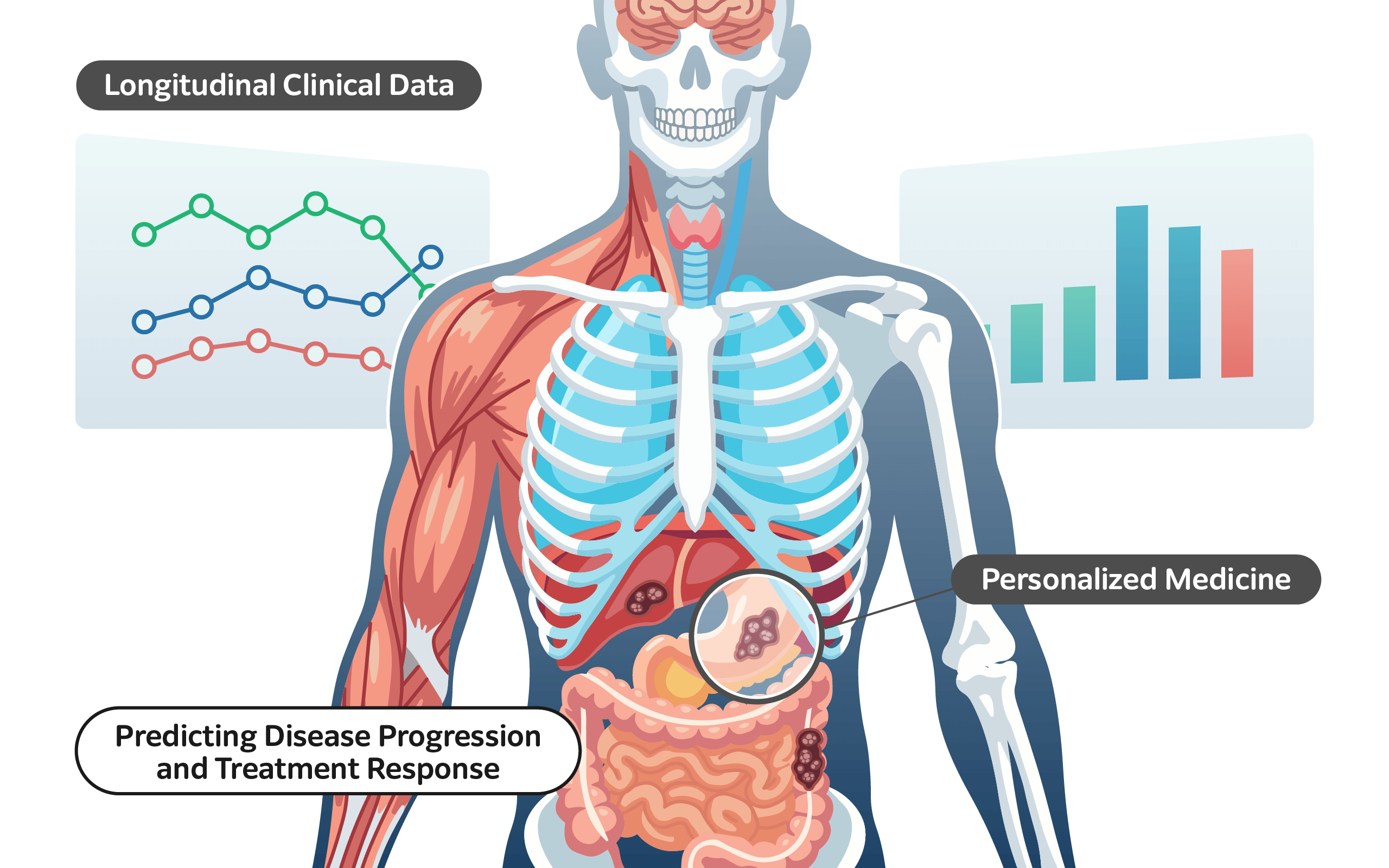
Cancer exhibits heterogeneous progression patterns across individuals, influenced by factors such as cancer type and anatomical location. By analyzing longitudinal clinical data, we can stratify distinct disease progression trajectories and investigate their underlying mechanisms. By constructing mathematical models of disease progression, computational simulations can identify scenarios in which treatments are particularly effective and enable quantitative evaluation of treatment effects at both individual and population levels. By leveraging diverse data science methodologies, we aim to establish an innovative framework that bridges mechanistic understanding, predictive modeling, and practical implementation.
Cancer is the leading cause of death in Japan, with lung cancer alone accounting for nearly 80,000 deaths annually. Although the prognosis of late-stage cancer has improved with the development of molecularly targeted therapies and immune checkpoint inhibitors, critical challenges persist, including acquired drug resistance and limited treatment applicability. In the case of breast cancer, the most common cancer among women in Japan, the prognosis is generally favorable when lesions are treated through surgery or radiotherapy. However, in cases involving metastasis at diagnosis or recurrence, outcomes can be poor, underscoring the need for a deeper understanding of disease mechanisms and progression. In contrast, hematological malignancies often respond to intensive chemotherapy, radiotherapy, or hematopoietic stem cell transplantation. Yet some, such as adult T-cell leukemia, may progress silently and later transform into aggressive lymphomas, at which point treatment options become limited.
We investigate how tumors adapt to diverse microenvironments across organs, analyzing cancer as an integrated, system-level process. Through quantitative characterization of tumor dynamics and vulnerabilities, we aim to develop innovative therapeutic strategies. Our work focuses on tumor growth, the emergence of drug-resistant subpopulations, and the optimization of combination therapies. By conducting comprehensive simulations grounded in experimental and clinical data, we evaluate conventional treatment approaches and propose new strategies. In parallel, we leverage diverse clinical datasets to quantitatively analyze cancer progression, predict prognosis at ultra-early stages, assess the effectiveness of therapeutic interventions, and identify potential biomarkers. Through this research, we seek to uncover new insights that contribute to improved cancer control and the advancement of personalized medicine.
Immunity and cell differentiation research
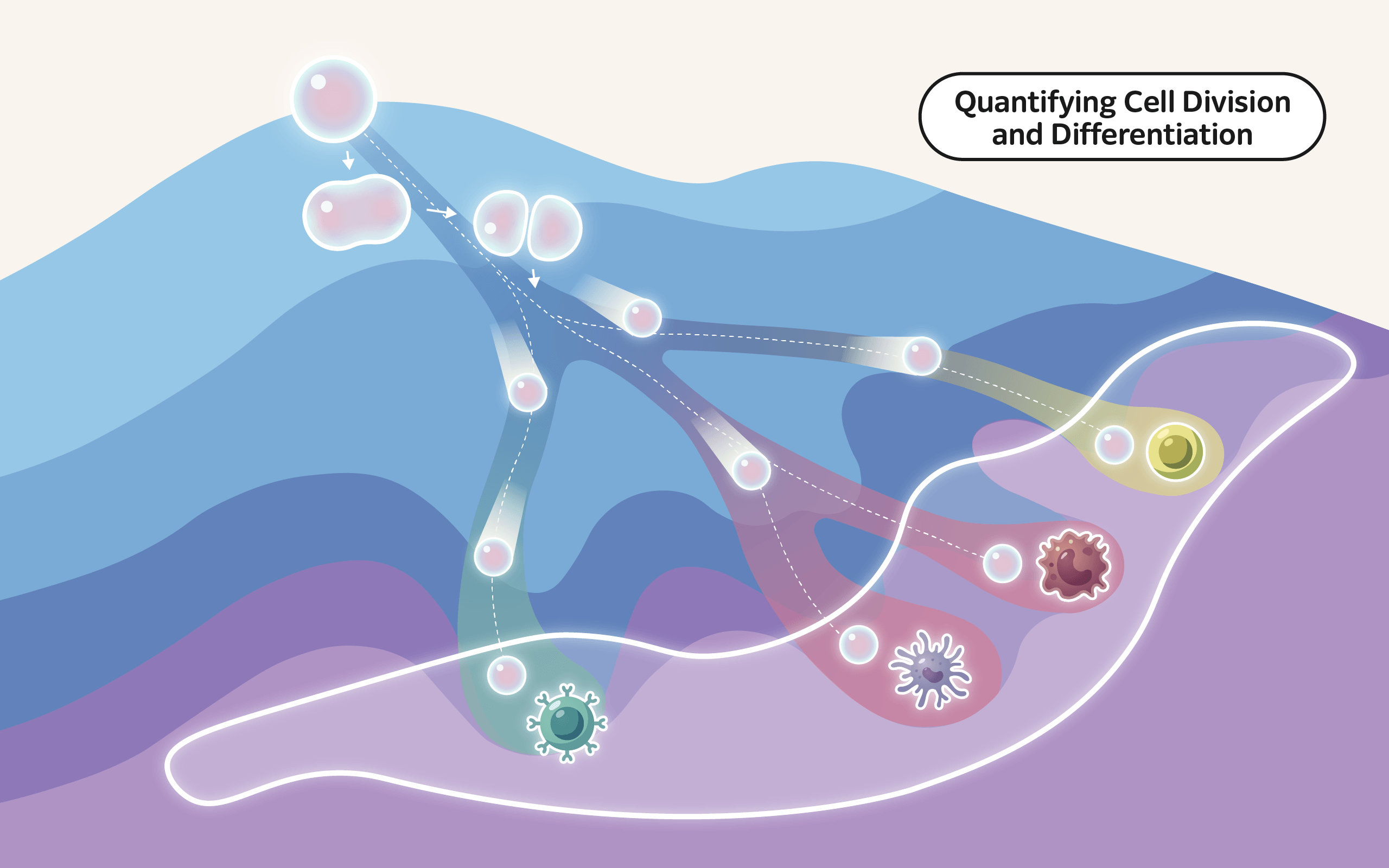
By developing mathematical models of cell differentiation dynamics, we aim to elucidate the mechanisms governing differentiation and identify key factors required to maintain homeostasis from diverse experimental measurements. We further investigate how aging and the accumulation of genetic mutations alter differentiation patterns and reshape cell populations. A comprehensive understanding of cell differentiation requires consideration of the hierarchical organization underlying these processes, including regulatory mechanisms controlling stem cell fate decisions and lineage specification. Our goal is to achieve an integrated understanding of cell differentiation through the application of mathematical models and statistical methods.
Biological phenomena in living organisms are primarily driven by the coordinated behavior of cell populations. All cells differentiate from stem cells and acquire specialized functions, working together as unified systems within the body. In healthy organisms, these populations maintain homeostasis. Disruptions in homeostasis—such as uncontrolled proliferation or inflammation caused by dysfunctional populations—can lead to disease. Such disturbances may result from genetic mutations, altered gene expression, or pathogen invasion. Therefore, elucidating how cells differentiate sequentially and how this process is regulated is fundamental to understanding biological systems. Recent technological advances now enable characterization of cellular diversity at the single-cell level, as well as reconstruction of cellular lineage and differentiation histories.
We develop mathematical models and computational simulations of cell differentiation based on state-of-the-art experimental data. These models clarify how stem cells regulate differentiation and self-renewal, and how they transition through intermediate stages toward fully differentiated states. By constructing multilevel models that incorporate intracellular regulatory processes, proliferation dynamics, and cell-cell interactions, we analyze both individual and collective cell behavior. Specifically, we investigate alterations in self-renewal and differentiation in hematopoietic and cancer cells, focusing on the genetic and structural determinants underlying these changes. Ultimately, we aim to achieve a comprehensive understanding of how multicellular organisms develop and maintain function, as well as the mechanisms contributing to their failure and breakdown. These insights will inform the development of novel treatments and preventive strategies for related diseases.