Achievements
Achievements
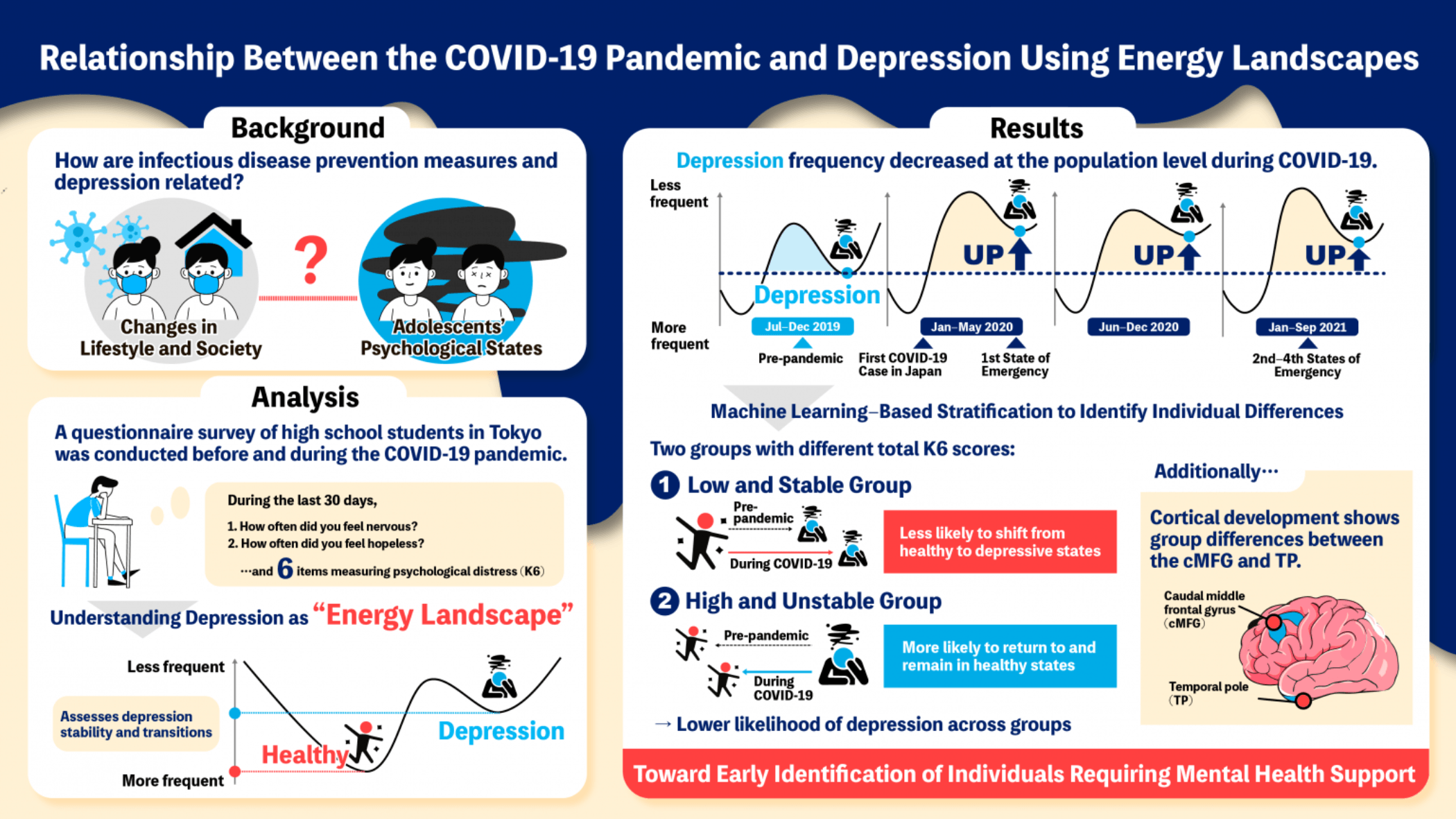
This study analyzed monthly psychological distress data from 84 high school students participating in the population-neuroscience Tokyo TEEN Cohort in Japan. Using responses to the Kessler 6-item Psychological Distress Scale (K6) collected before and during the COVID-19 pandemic, an energy landscape analysis—a dynamical systems approach derived from statistical physics—was applied to examine longitudinal changes in depressive states. At the cohort level, students showed a lower likelihood of being in a depressive state during the pandemic compared to the pre-pandemic period. Stratification analysis identified two distinct groups: a “low and stable” group with consistently low K6 scores, and a “high and unstable” group with higher and more fluctuating scores. Simulations on the reconstructed energy landscapes suggested that during the pandemic, transitions into depressive states became less frequent in the stable group, while the unstable group showed an increased tendency to return to healthy states, resulting in an overall reduction in mean distress levels. Longitudinal MRI data further indicated group differences in cortical thickness development in the caudal middle frontal gyrus and temporal pole, suggesting that neurodevelopmental trajectories may be associated with vulnerability to depressive symptoms.
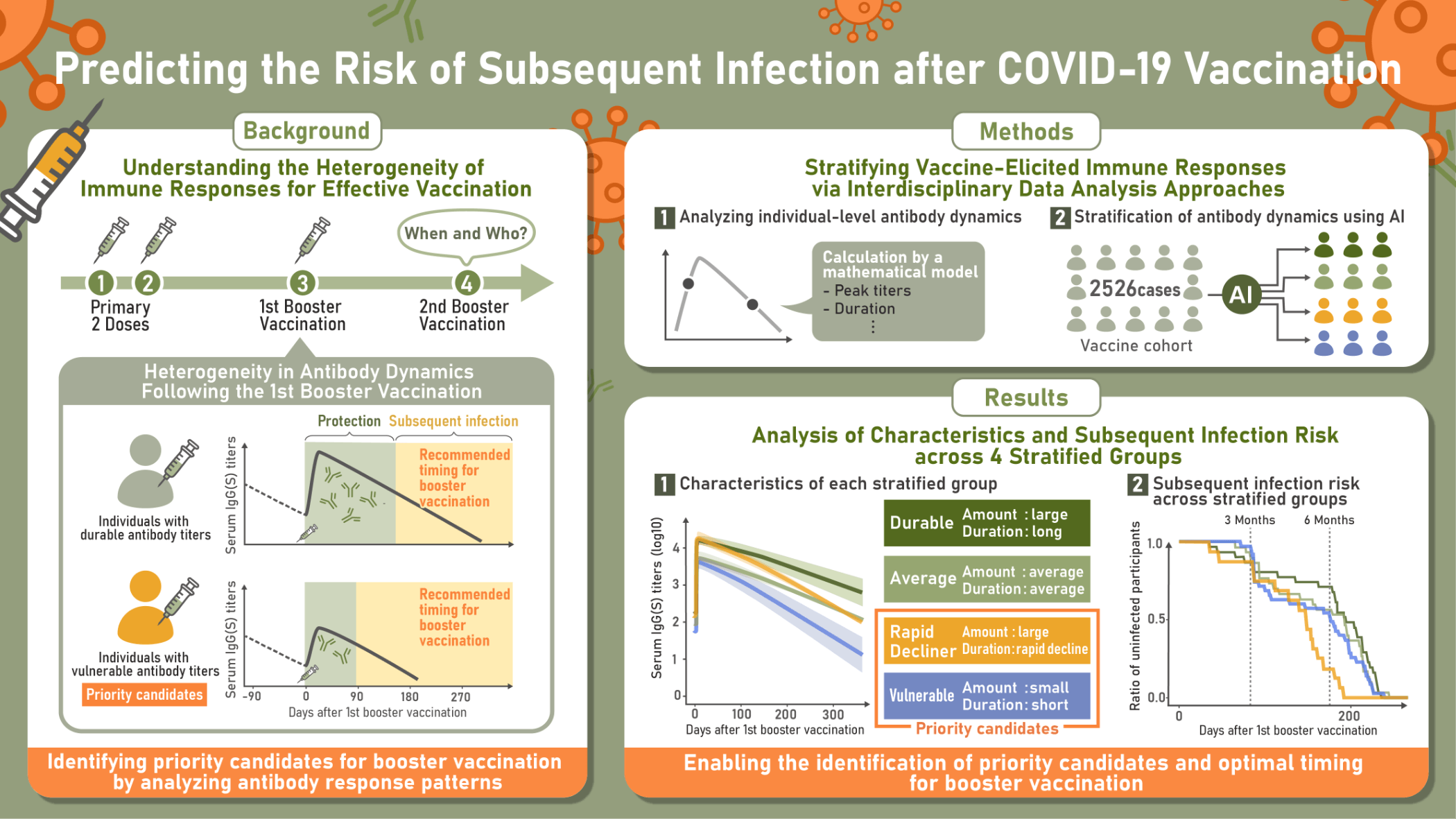
Using longitudinal data from 2,526 participants in the Fukushima vaccine cohort, this study analyzed immune responses following primary and booster doses of COVID-19 mRNA vaccines. Through mathematical modeling and machine learning, participants were stratified into three characteristic antibody response patterns based on spike protein-specific IgG trajectories: a durable group, a vulnerable group, and a rapid-decliner group. Approximately half of the participants remained in the same response category after booster vaccination. Individuals in the vulnerable and rapid-decliner groups experienced earlier breakthrough infections compared with the other groups. Moreover, spike protein-specific IgA titers within 100 days post-booster among those who experienced a breakthrough infection were significantly lower than in those who remained uninfected. These findings suggest that early identification of high-risk immune response patterns could enable more timely booster administration, thereby helping to reduce breakthrough infections and transmission risk. Optimizing vaccination strategies is essential for the effective use of limited medical resources, and this analytical framework provides a quantitative basis for such optimization in the post-COVID-19 era and in future pandemics.
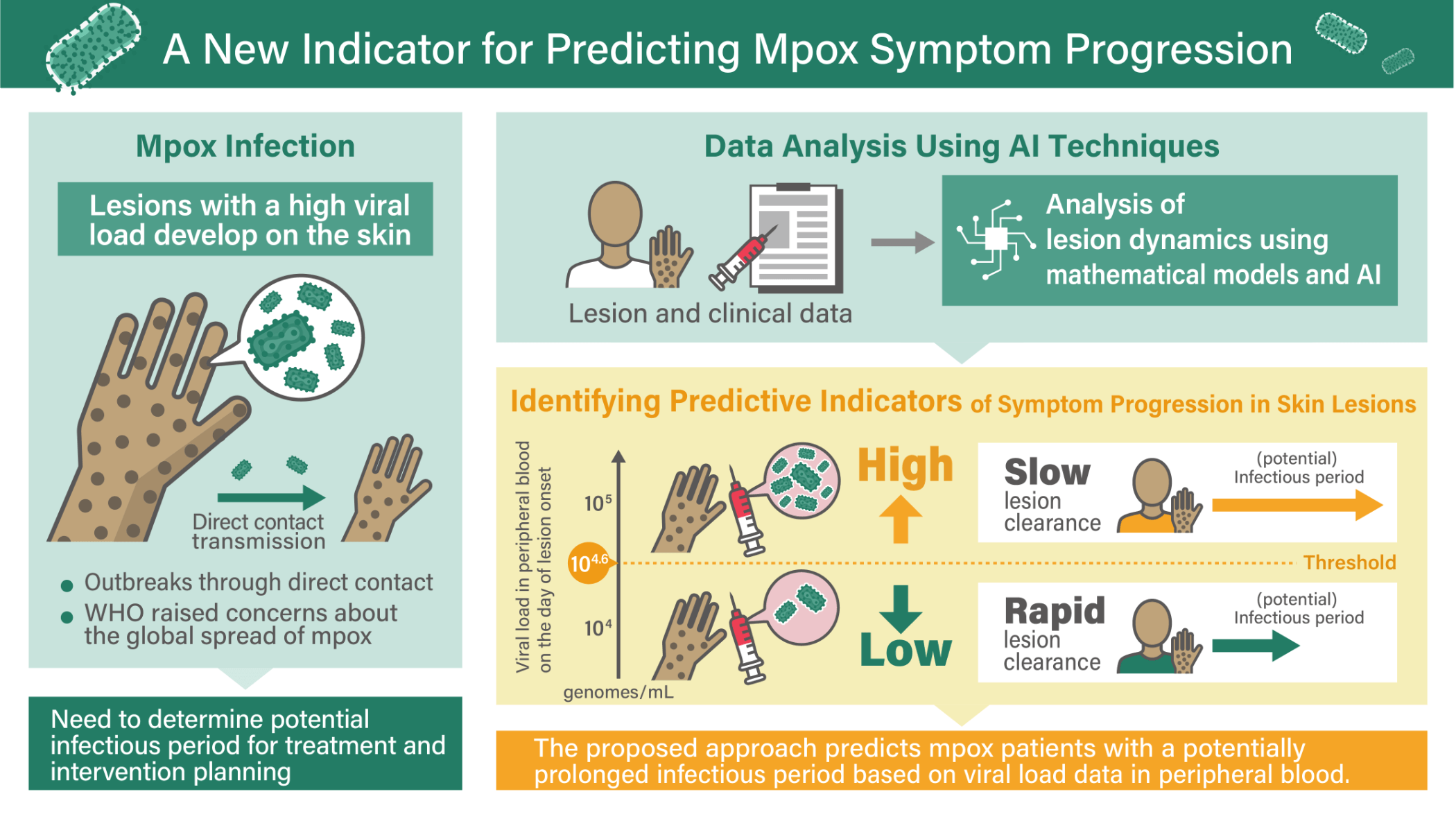
Using large-scale observational data collected in the Democratic Republic of the Congo between 2007 and 2011, this study applied mathematical modeling to analyze disease progression in patients infected with clade I (Ia) mpox virus. Quantification of temporal changes in total lesion counts demonstrated that patients could be stratified into two distinct groups based on lesion severity and duration. Analysis of longitudinal viral load dynamics further revealed that peripheral blood viral load at symptom onset serves as a useful predictor of this classification, suggesting its potential as an early biomarker of disease severity. The duration of lesions exhibited substantial interindividual heterogeneity, ranging from approximately 20 to 65 days. On 14 August 2024, the World Health Organization declared clade I mpox a public health emergency of international concern (PHEIC) due to increasing cross-border spread. Although this study is based on historical clade Ia cases, if comparable data become available for currently circulating clade Ia and Ib viruses, similar analyses may enable prediction of lesion progression in ongoing outbreaks. These findings provide a quantitative foundation for improving treatment strategies and informing public health interventions in current and future mpox emergencies.
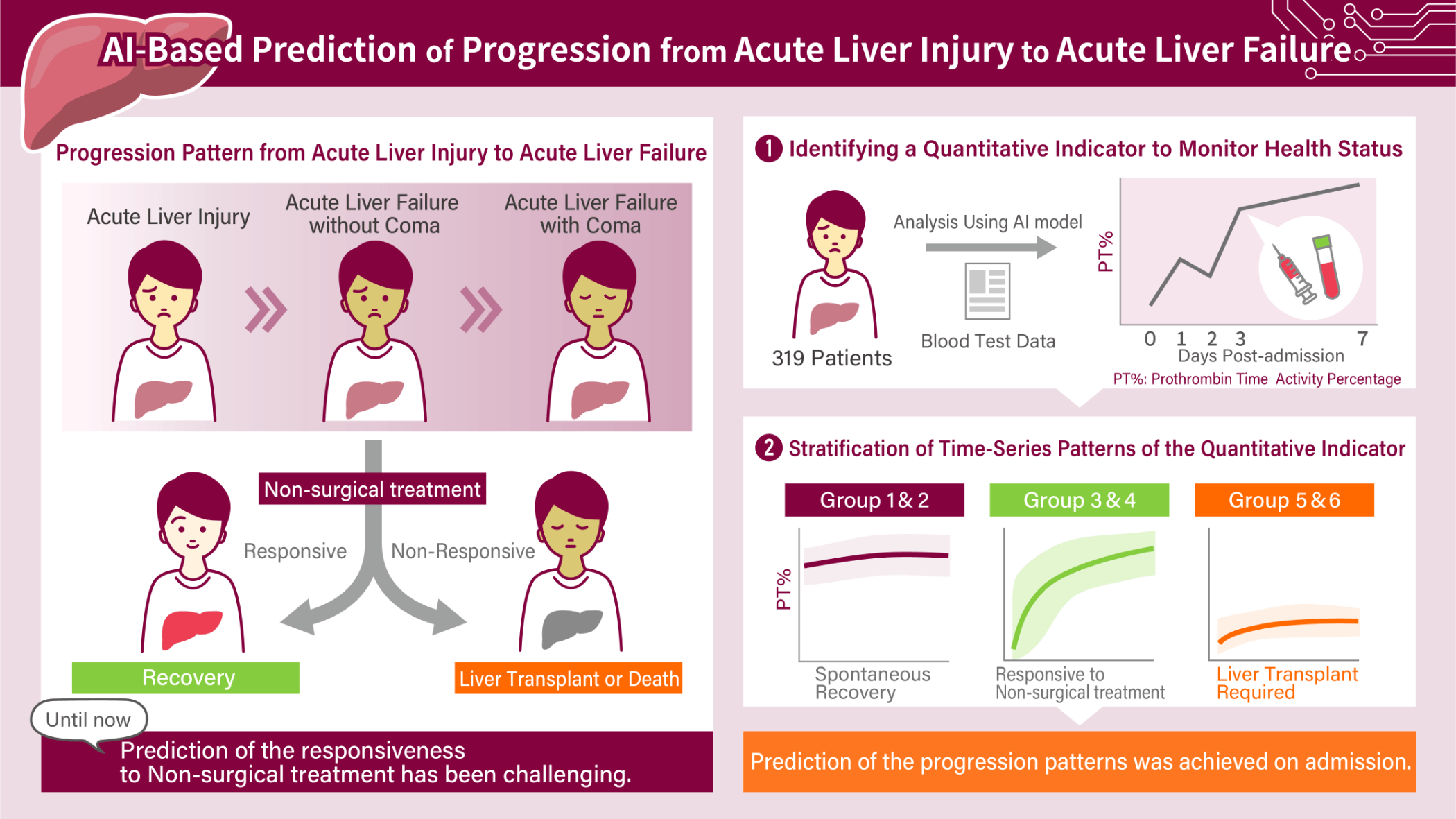
This study developed a novel approach to stratify and predict progression patterns from acute liver injury (ALI) to acute liver failure (ALF), a severe condition that can lead to multiorgan failure and death. Because ALI is highly heterogeneous and lacks reliable quantitative indicators for predicting deterioration, early identification of patients at risk of progressing to ALF has been a major clinical challenge. Using retrospective data from 319 hospitalized patients, machine learning and mathematical modeling were applied to longitudinal blood test data. Prothrombin time activity percentage (PT%) was identified as a key biomarker reflecting disease status. Based on PT% dynamics, patients were classified into six groups with distinct clinical courses and prognoses, which could be predicted using clinical data collected at admission. This data-driven classification provides an objective basis for prognostic prediction and offers important insight into the mechanisms of disease progression. By enabling early risk assessment and incorporating daily clinical information, this approach may support individualized treatment decisions and improved therapeutic strategies for ALF.
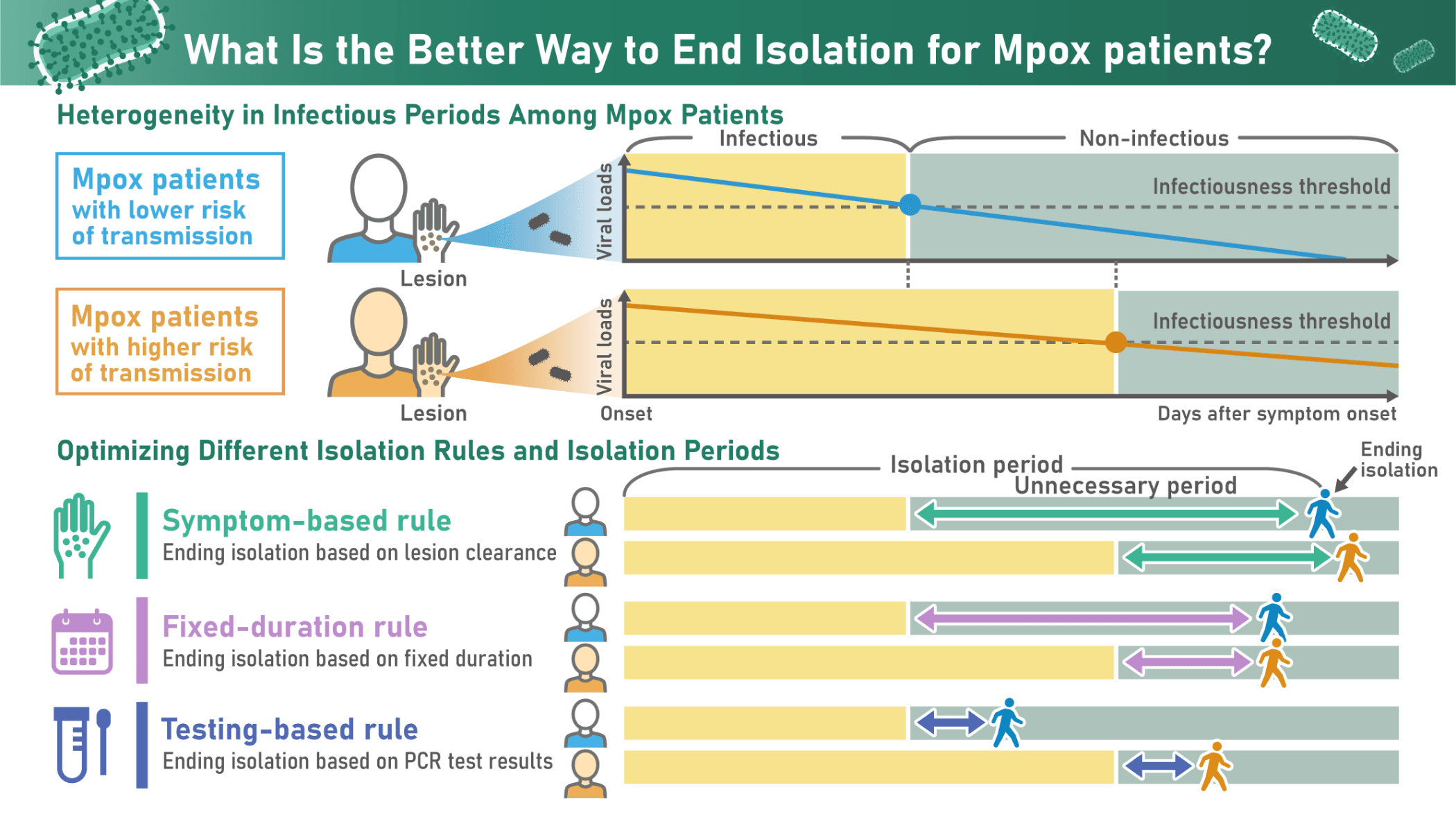
A new simulation framework was developed to evaluate appropriate timing for ending isolation of Mpox-infected individuals. This approach enables the proposal of flexible and safe isolation strategies that allow infected individuals to end isolation early upon obtaining a specified number of negative test results. Since May 2022, a newly spreading Mpox strain (clade) has expanded internationally, initially in Europe and North America and subsequently in other regions. As of August 2024, the Democratic Republic of the Congo has reported a rise in cases of a more severe Mpox clade, raising further concerns about the potential for another outbreak. In the early stages of emerging and re-emerging infectious disease outbreaks, countries have adopted varying isolation strategies based on limited clinical and epidemiological evidence and past experience. This study, however, aims to contribute to the development of universal, flexible isolation guidelines based on mathematical models, suitable for application even during the initial phases of infectious disease outbreaks.

In April 2017, the book "ウイルス感染と常微分方程式 (シリーズ・現象を解明する数学)," introduced "virus dynamics," a field integrating mathematical sciences and virology that has primarily developed in Western countries. Since its emergence in Wuhan, China, in December 2019, the novel coronavirus has rapidly spread worldwide, dramatically altering daily life. In response, mathematical frameworks capable of addressing real-world challenges—including infectious diseases such as COVID-19—have been increasingly sought after. This book presents insights based on the authors' original research and explains the mathematical tools and coding techniques required to develop mathematical models and simulations for viral infections. Intended for undergraduate and graduate students, as well as researchers in the mathematical sciences seeking to enter life science fields such as virology, epidemiology, and immunology, it covers the formulation of population dynamics (changes in populations over time) and data analysis techniques. The book also includes simulation examples with parameter estimation codes provided in multiple programming languages.

Using data and samples from Omicron-infected individuals collected during an active epidemiological investigation referred to as "The First Few Hundred," and with ethics approval for secondary use, an analysis of 122 individuals revealed significant new insights. Secretory IgA (S-IgA) antibodies in infected nasopharyngeal samples were found to reduce viral RNA load and infectivity more effectively than IgG/IgA antibodies. Notably, individuals with a shorter mucosal S-IgA response latency exhibited shorter durations of infectious viral shedding. Furthermore, prior COVID-19 infection or vaccination was associated with a shorter nasal S-IgA response latency. This study represents the first report in humans worldwide demonstrating the potential role of secretory mucosal antibodies in suppressing infectious viral shedding during respiratory viral infection.

Using AI-based approaches, this study explored how the evolution of the novel coronavirus may be closely associated with clinical characteristics such as incubation period and symptomatic rate, as well as human behavior. Analysis of clinical data from 274 individuals infected with the pre-Alpha, Alpha, Delta, or Omicron variants of SARS-CoV-2 revealed a shift toward earlier and higher peaks in viral shedding trajectories (an acute phenotype) as successive variants emerged. An AI-integrated simulation framework further suggested that this evolutionary trend may reflect a viral survival strategy to counteract human behavioral interventions implemented during the pandemic, including staying at home, avoiding the “Three Cs” (closed spaces, crowded places, and close-contact settings), and isolation. Additionally, the shortened incubation period and increased proportion of asymptomatic infections observed in later variants were closely associated with selective pressures potentially driving viral evolution. This study thus revealed that human behavior itself may be a key factor in shaping the evolutionary trajectory of viruses.

For the first time globally, the local outbreak risk (the probability that a major outbreak results from a single case introduced into the population) from a COVID-19 infection was estimated while accounting for interindividual variability in viral shedding dynamics. This novel approach enables analysis of time-dependent changes in viral load for each infected individual and allows evaluation of how personalized interventions, such as antigen testing or antiviral treatment, influence outbreak risk. The findings demonstrate that while antigen testing to screen infected individuals significantly reduces the likelihood of an outbreak, completely preventing outbreaks caused by highly infectious variants such as Omicron remains challenging. Since minimizing outbreak risk is crucial for effective infectious disease control, this research represents an important step toward establishing mathematically grounded intervention strategies.
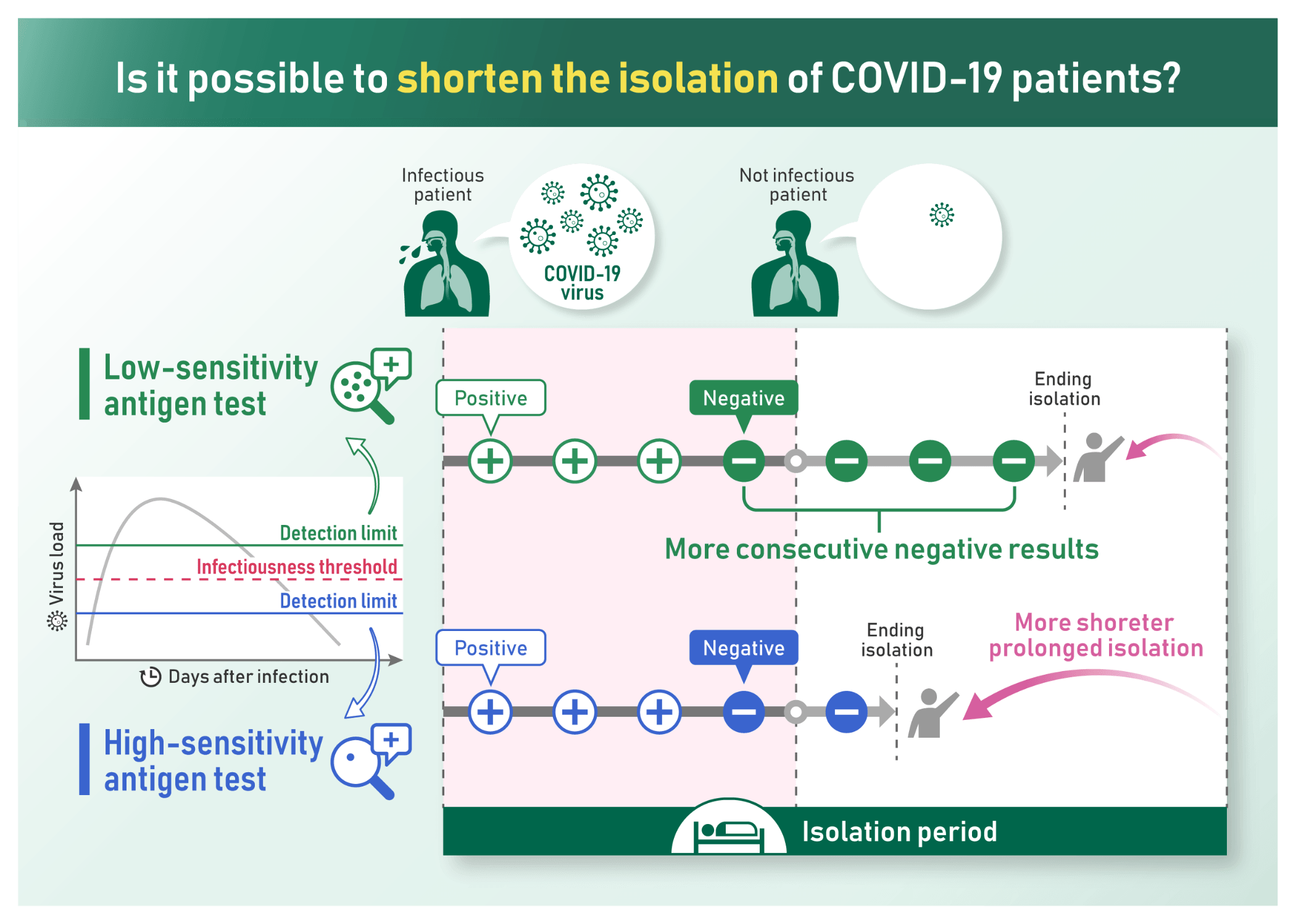
A new simulator was developed to evaluate flexible and safe isolation strategies, enabling COVID-19-infected individuals to end isolation early upon achieving a specified number of consecutive negative antigen test results. While isolation remains a critical measure for preventing transmission, prolonged isolation imposes various burdens on isolated individuals and society. In the era of "living with COVID-19," where infection prevention must be balanced with the resumption and maintenance of social and educational activities, this strategy utilizes antigen testing to support the safe continuation of societal functions while maintaining effective infection prevention.
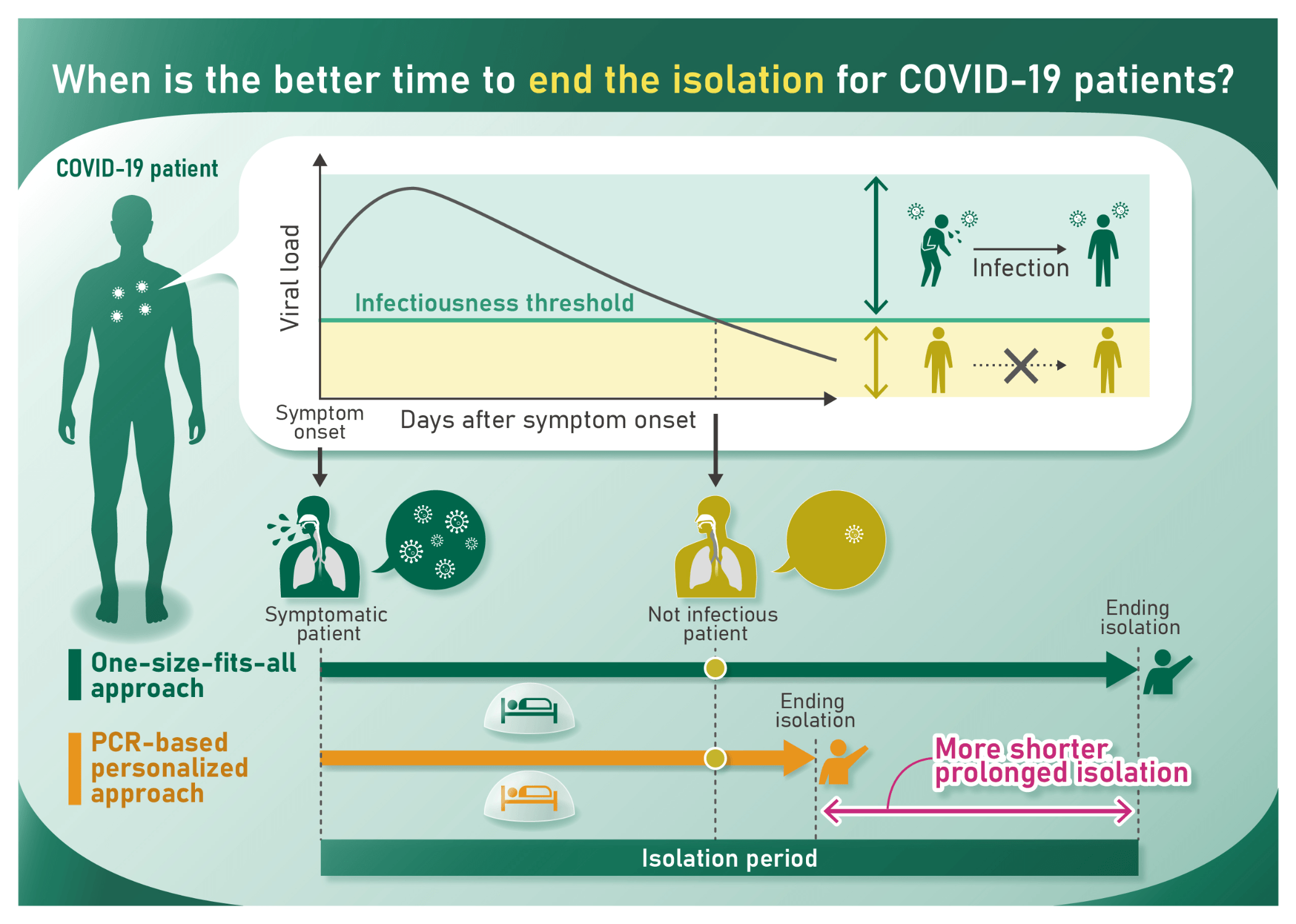
A new simulator was developed to evaluate the timing for ending isolation of COVID-19 patients. The simulator quantifies two critical aspects: the risk of prematurely ending isolation for infectious individuals, and the unnecessary isolation period for those who are no longer infectious (i.e., the associated burden). Through analysis of these factors, appropriate isolation strategies can be proposed tailored to specific circumstances—such as the availability of PCR testing—to minimize both transmission risk and burden. In contrast to current isolation guidelines, which vary across countries and are often established based on past experience, this study is expected to contribute to the establishment of universal, scientifically grounded isolation policies.
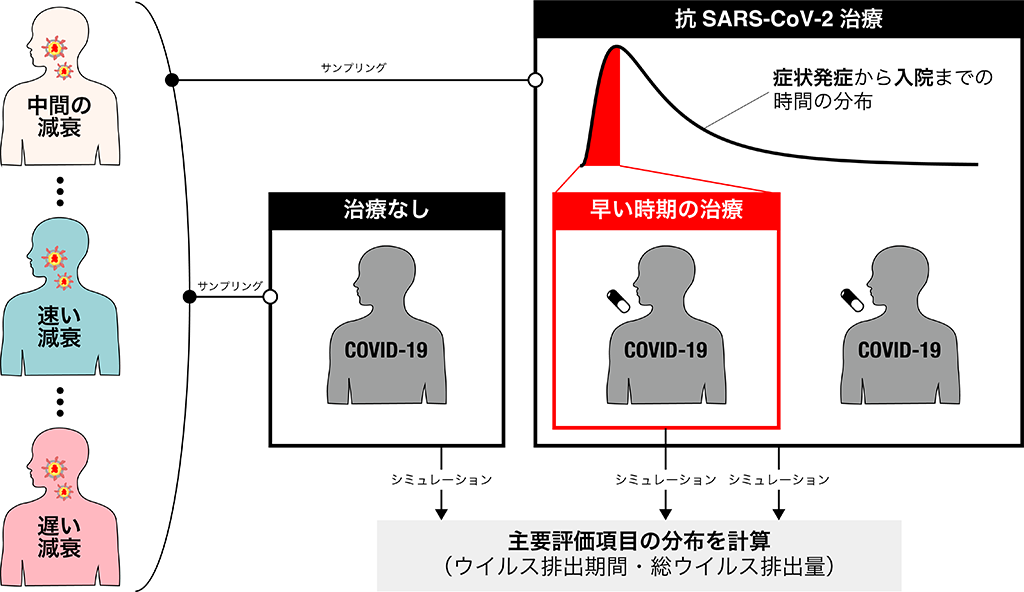
COVID-19 patients were identified to fall into three groups according to the duration of viral shedding: short-term (~7 days after infection onset), medium-term (~14 days after infection onset), and long-term (~28 days after infection onset). In all groups, the effectiveness of reducing viral shedding varied greatly depending on whether viral replication inhibitors or viral entry inhibitors were initiated before or after the peak of viral shedding. These findings indicate that interindividual differences in viral load dynamics and the timing of treatment initiation play a crucial role in determining treatment outcomes. To accurately assess antiviral efficacy under such heterogeneous conditions, an in silico randomized clinical trial (isRCT) simulator was developed. Based in part on this simulator, an investigator-initiated clinical trial (jRCT2071200023) is currently being conducted in Japan.
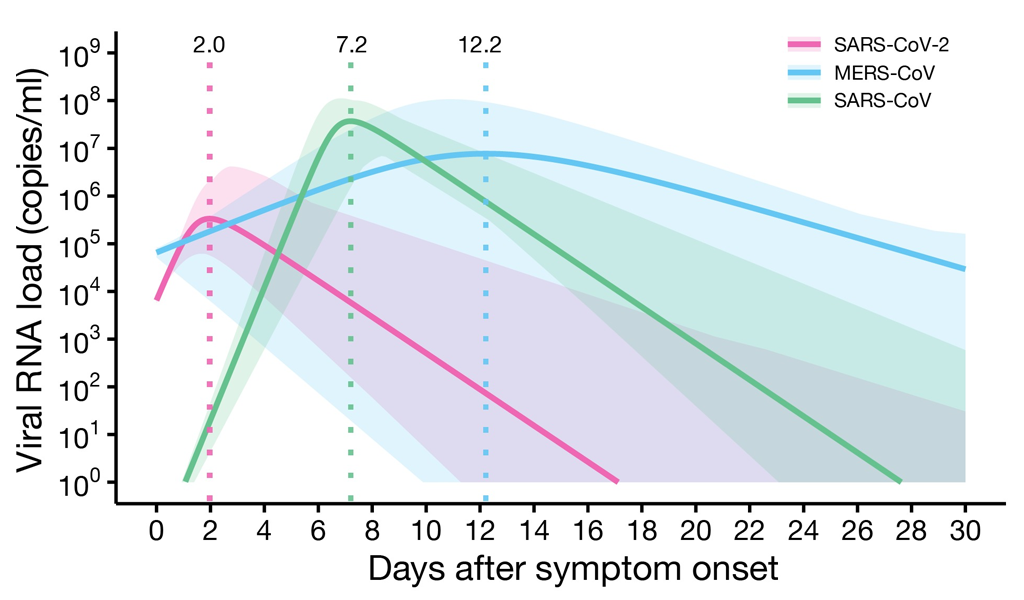
This study elucidated one reason why antiviral treatment for COVID-19 is more challenging than for other viral infections. Clinical trials of influenza and similar viral diseases have established that initiating treatment with viral replication inhibitors before the peak of viral shedding is critical for effectively reducing viral shedding. By analyzing clinical trial data from COVID-19, Middle East respiratory syndrome (MERS), and severe acute respiratory syndrome (SARS), peak viral shedding was found to occur earlier in COVID-19 than in MERS and SARS. Additionally, comprehensive analysis using computational simulations demonstrated that even highly potent viral replication inhibitors and entry inhibitors have limited impact on reducing viral shedding when treatment is initiated after the peak in viral shedding.
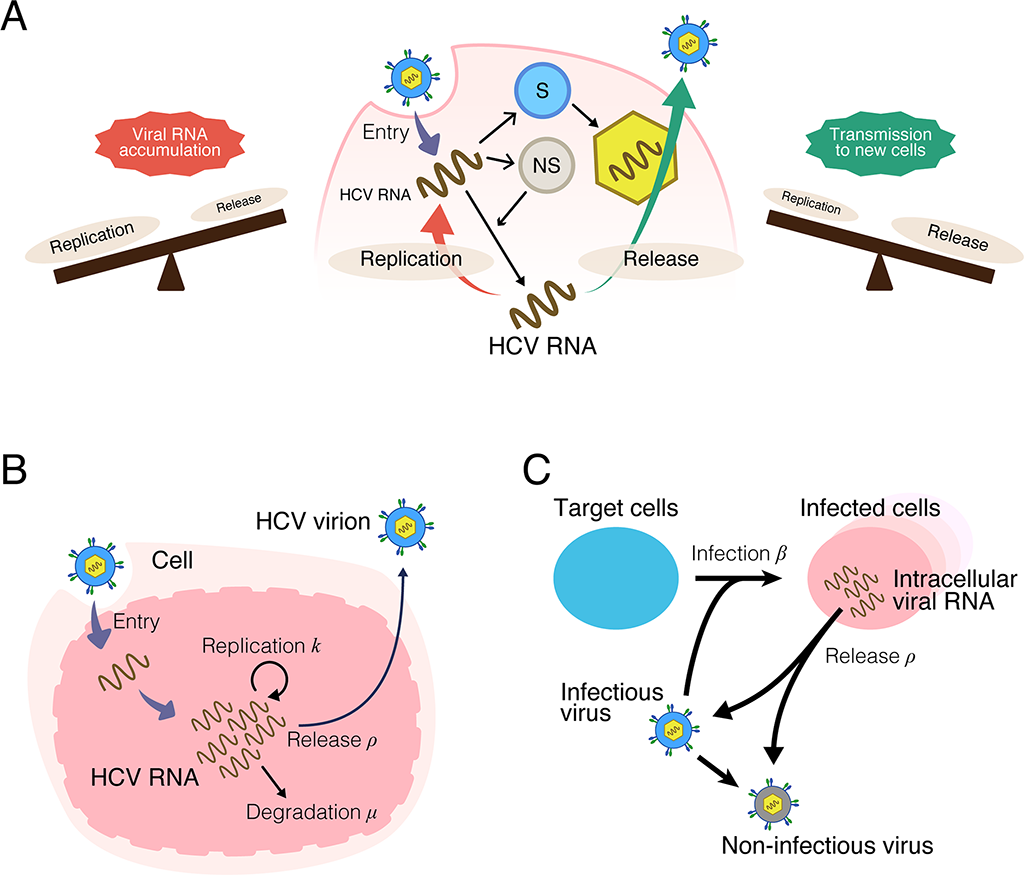
This research integrates experimental and theoretical studies and is the first to demonstrate the existence of two distinct viral survival strategies: the viral genome either serves as a template for replication (“stay-strategy”) or is packaged into progeny virions that are released extracellularly (“leave-strategy”). By developing a multiscale mathematical model incorporating both intracellular and extracellular viral life cycles, this study made a significant advancement in enabling the quantitative analysis of multilevel data derived from infection experiments.
By utilizing single-cell live imaging, it was discovered that expression of Tax, a highly immunogenic protein of human T-cell leukemia virus type 1 (HTLV-1), occurs intermittently, and that this expression is essential for infected cells to acquire anti-apoptotic resistance. Furthermore, model-driven quantitative data analysis revealed that intermittent Tax expression contributes to the survival of the overall cell population. This study is the first to elucidate how infected cells evade immune surveillance while acquiring anti-apoptotic resistance by dynamically regulating viral gene expression, switching it on and off as needed.
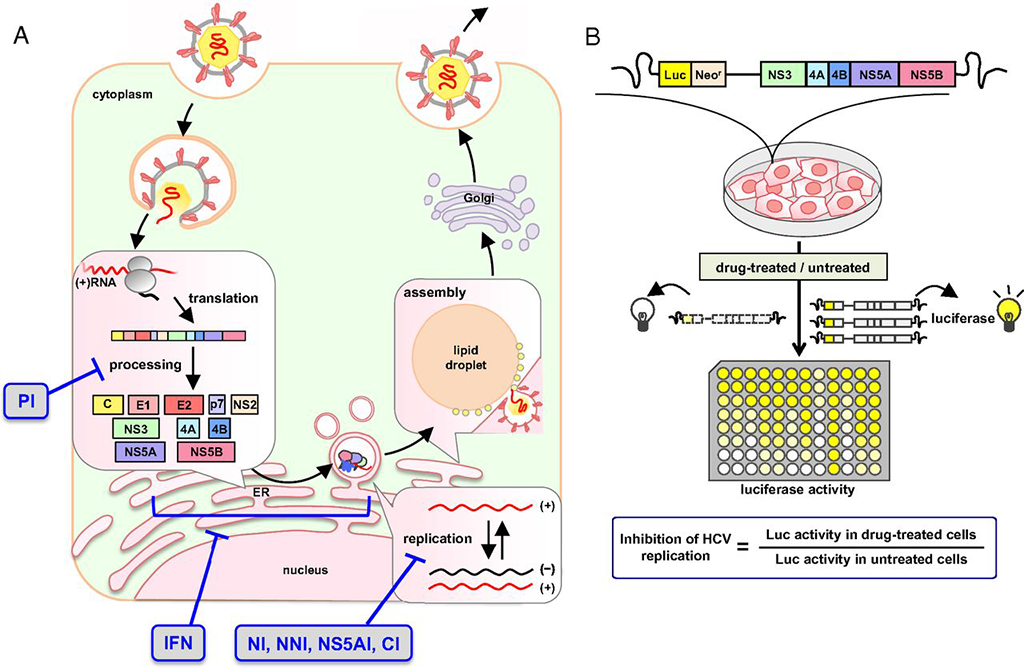
A simple, high-throughput method to evaluate the efficacy of anti-HCV drugs was established using a replicon system. By integrating this experimental platform with mathematical modeling, this study was the first to comprehensively analyze combination therapies of anti-HCV drugs, optimizing both viral suppression and the probability of resistant strain emergence.
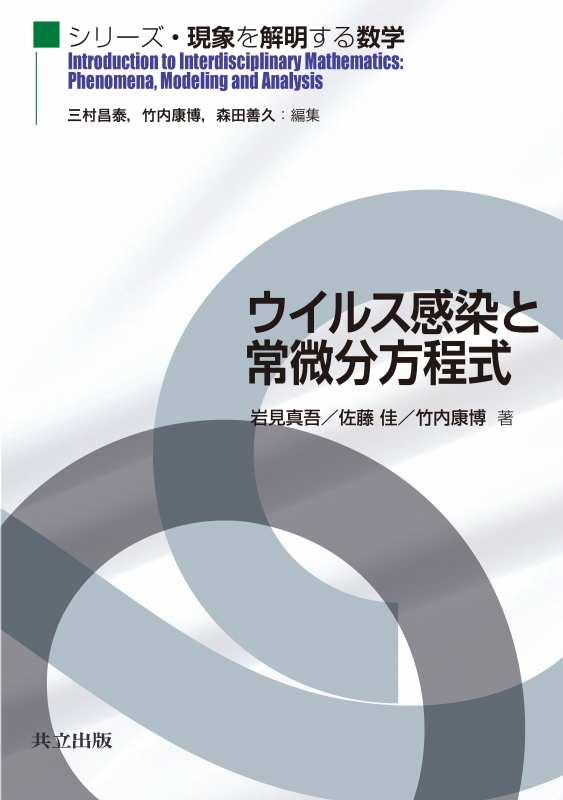
This book is Japan's first introductory text on viral dynamics, focusing on mathematical models based on ordinary differential equations. It introduces historically significant studies alongside the authors' original research. The book provides a comprehensive explanation of the quantitative analysis of clinical data using mathematical models, a field primarily developed in Western countries, as well as the quantitative analysis of experimental data on virus infections using mathematical models developed by the authors in recent years. All experimental viral infection datasets analyzed in the book are included.
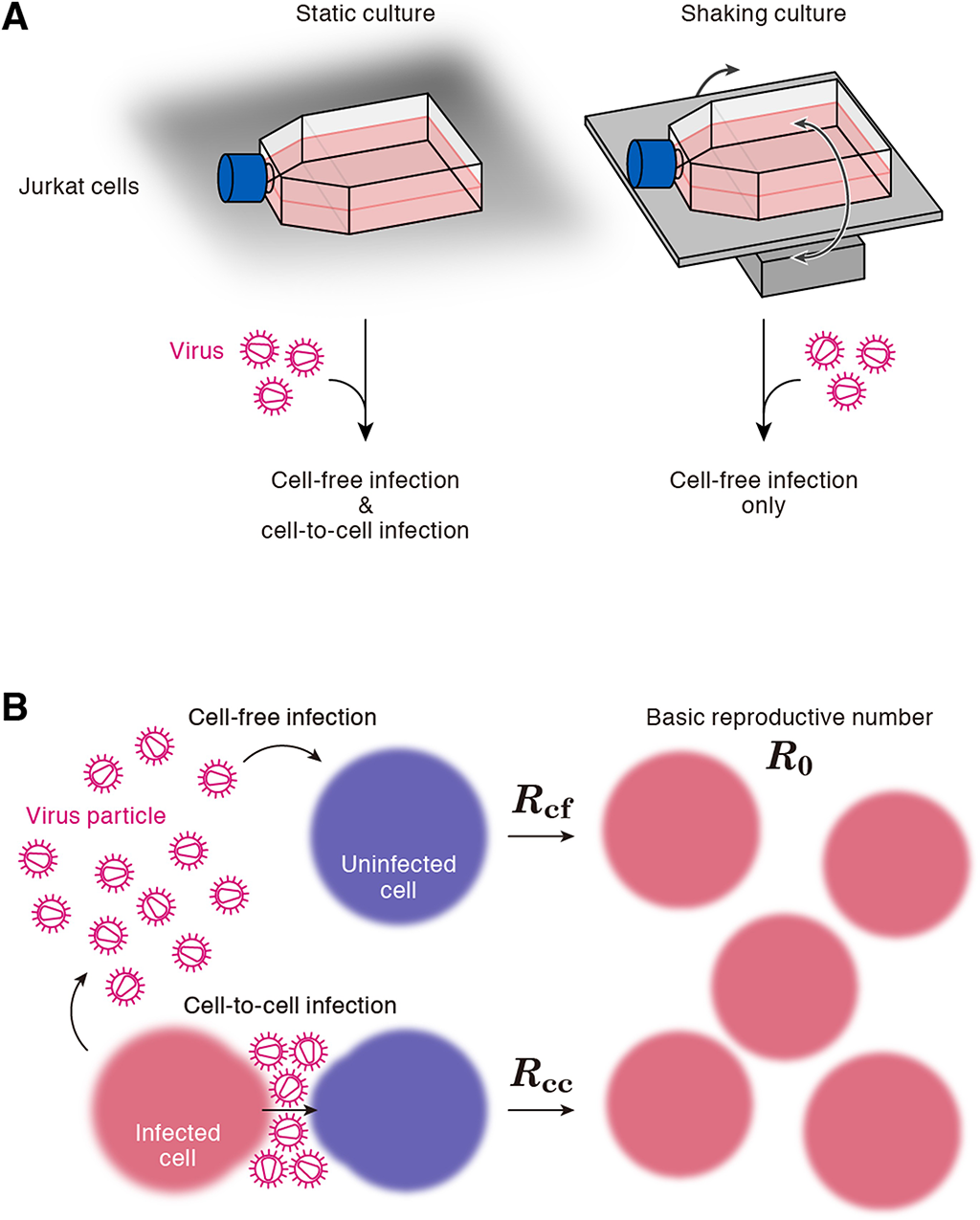
A mathematical model describing the two modes of HIV infection— cell-to-cell infection and cell-free infection—was developed. By applying mathematical models to time-series data obtained from theoretically designed infection experiments, this study demonstrated for the first time that cell-to-cell infection accounts for more than 60% of total infection events.